Lp(a)--A Cholesterol Level to Check
Lp(a) is an inherited particle that carries cholesterol and raises the risk of heart attack, stroke, and aortic stenosis. About 1 in 5 people have a high level, and most of them don't know it.
Written and reviewed by Erik Gulbrandsen, DO
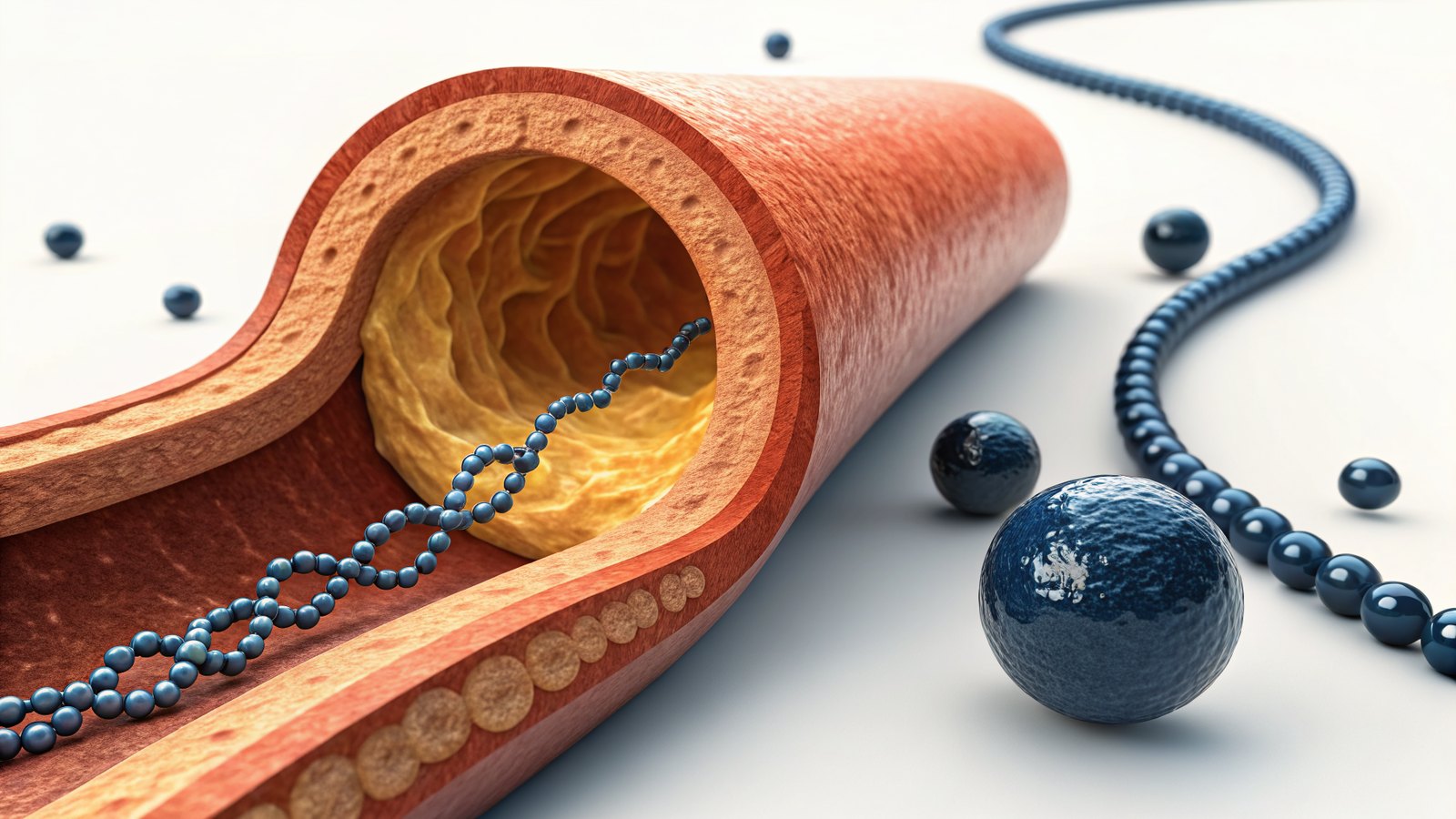
Most people know about "bad" cholesterol (LDL). But there is another cholesterol-carrying particle that can quietly raise your risk of heart disease, and many people have never had it checked: lipoprotein(a), or Lp(a).
What is Lp(a)?
Lp(a), said "L-P-little-a," is a particle in your blood that carries cholesterol. It looks a lot like LDL cholesterol, but it has an extra protein attached. That protein makes it more likely to build up in your arteries and to promote clotting and inflammation.
High Lp(a) raises the risk of:
- Heart attack
- Stroke
- Narrowing of the aortic valve in the heart (aortic stenosis)
About 1 in 5 people have high Lp(a), and most don't know it. A level of 125 nmol/L (or 50 mg/dL) or higher is generally considered high. Your lab report may use either unit, and the two can't be converted exactly, so compare your result with the range your lab gives.
Why you usually only need the test once
Your Lp(a) level comes mostly from the genes you inherit. It stays about the same throughout your life, and diet and exercise don't change it much. That means one blood test is usually enough. Your clinician may repeat it if you have kidney, liver, or thyroid disease, are pregnant, or go through menopause, because these can change the level.
It runs in families
If your Lp(a) is high, your parents, brothers, sisters, and children should think about getting tested too. About half of them will also have a high level.
Who should get tested?
Many heart experts now recommend that every adult have Lp(a) checked at least once. It is especially important if you have:
- A heart attack or stroke at a young age, or a family member who did
- Very high LDL cholesterol or familial hypercholesterolemia
- A relative with high Lp(a)
- Heart problems that keep happening even while on cholesterol medicine
What does a high result mean for me?
A high Lp(a) is a "risk enhancer." It means your chance of heart disease is likely higher than your other numbers, like cholesterol and blood pressure, would suggest on their own. This can help you and your clinician decide whether to start a medicine like a statin, especially when that decision is a close call.
A normal Lp(a) does not cancel out other risk factors. High blood pressure, smoking, diabetes, and high LDL still matter.
What can I do if my Lp(a) is high?
There is not yet an approved medicine that specifically lowers Lp(a), though several are being studied in large trials. In the meantime, a high Lp(a) is a reason to work harder on the risks you can control:
- Lowering LDL cholesterol, often with a statin or other medicines
- Keeping blood pressure in a healthy range
- Not smoking
- Staying active, eating a heart-healthy diet, and keeping a healthy weight
- Managing diabetes
At your next visit
Ask your clinician: "Have I ever had my Lp(a) checked?" If not, it's a simple blood test that can be added to your next lab draw, and knowing the number helps you and your care team make a plan that fits your personal risk.
This post is for general education and does not replace advice from your own healthcare provider.
For general education only, not medical advice. For questions about your own health, call the clinic at 801.373.3300. Please don’t send health information by email. In an emergency, call 911.